
It always starts innocently. A new string of lights here, a box of baubles there, a wreath because the old one looks tired. Then you check your bank app in mid-December and wonder how decorating the house cost more than some of the presents.
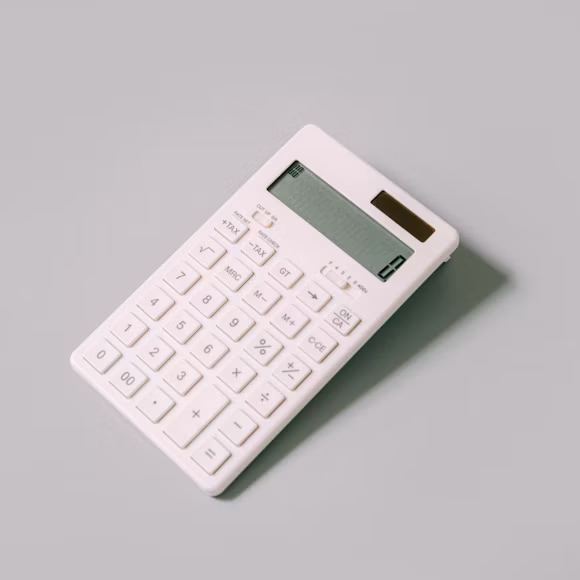
Christmas décor adds up quickly, especially if you are starting from scratch or switching to a new colour scheme. That is why we built this free Christmas décor cost calculator: plan everything room by room, see your total before you shop, and decide where to spend and where to save.
How to use the calculator
- Choose your currency. Pick dollars, pounds, euros, Canadian or Australian dollars, or choose “Other” and enter your own currency.
- Pick a style. Budget, Mid-range or Designer automatically scales every price up or down.
- Tick what you need and change the quantities. Untick anything you already own.
- Edit any price to match what you see in your local shops. Your total updates instantly.
- Add your budget to see if you are on track, then print your list to take shopping.
Free interactive tool
Christmas Décor Cost Calculator
Tick what you need, adjust quantities and prices, and watch your estimated total update instantly.
Typical Christmas décor budgets
Not sure what is “normal”? Here are three rough benchmarks for decorating one main living space from scratch. If you already own a tree and lights, your real cost could be much lower.
| Budget style | Typical total | What it usually includes |
|---|---|---|
| Minimal & Cosy | $100–$250 (about £85–£210 / €95–€240) | A small or tabletop tree, one bauble set, a couple of strands of warm lights, a simple wreath and candles. |
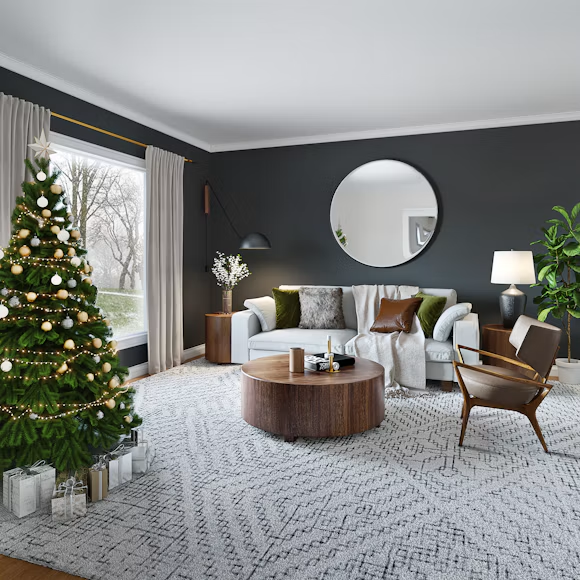
| Classic Family Home | $350–$700 (about £300–£600 / €330–€670) | A 6–7 ft artificial tree, coordinated baubles and lights, a mantel garland, stockings, cushions and a front door wreath. |
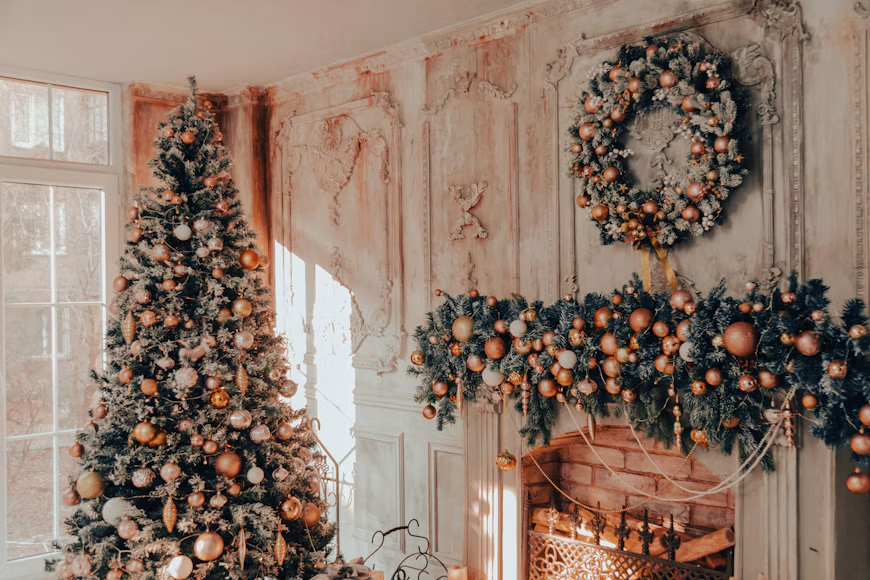
| Designer Winter Wonderland | $900–$1,800+ (about £770–£1,500+ / €850–€1,700+) | A large pre-lit or flocked tree, layered garlands, velvet ribbons, outdoor lighting and a full festive table. |
Where the money really goes
When you play with the calculator, you will notice a pattern. Three things usually take the biggest share of the budget:
- The tree itself. An artificial tree costs more upfront but is reused for years. A real tree is cheaper per year but you buy it every December.
- Lights. A full, glowing tree needs more strands than most people expect. Add outdoor lights and an extension lead, and lighting can easily become your largest category.
- Lots of “small” extras. Stockings, cushions, candles and napkins seem cheap on their own, but six or seven small buys can cost as much as the tree.
It also helps to split your list into two groups: things you buy once (tree, lights, wreath base, stockings) and things you buy every year (real tree, candles, fresh greenery, paper napkins). Investing in the first group and keeping the second group small is the secret to a beautiful home that does not cost a fortune every year.
8 ways to make your budget go further
1. Choose a two or three colour palette
When everything shares a palette, such as gold and cream or green and copper, you can mix old and new pieces freely and need far fewer items to make the room feel finished.
2. Spend on the “base”, save on accents
A good tree and warm LED lights will last many seasons. Ribbons, cushion covers and small ornaments are where you can save, and they are easy to change if you fancy a new look next year.
3. Choose LED lights
LED fairy lights usually cost a little more to buy, but they use much less electricity and last longer than older bulbs. Lights with a built-in timer save energy and mean you never forget to switch them off.
4. Mix real and faux greenery
Tuck a few real pine or fir cuttings and pinecones into a faux garland. The real pieces add scent and texture, and the faux base means you only refresh a little each year.
5. Shop your home first
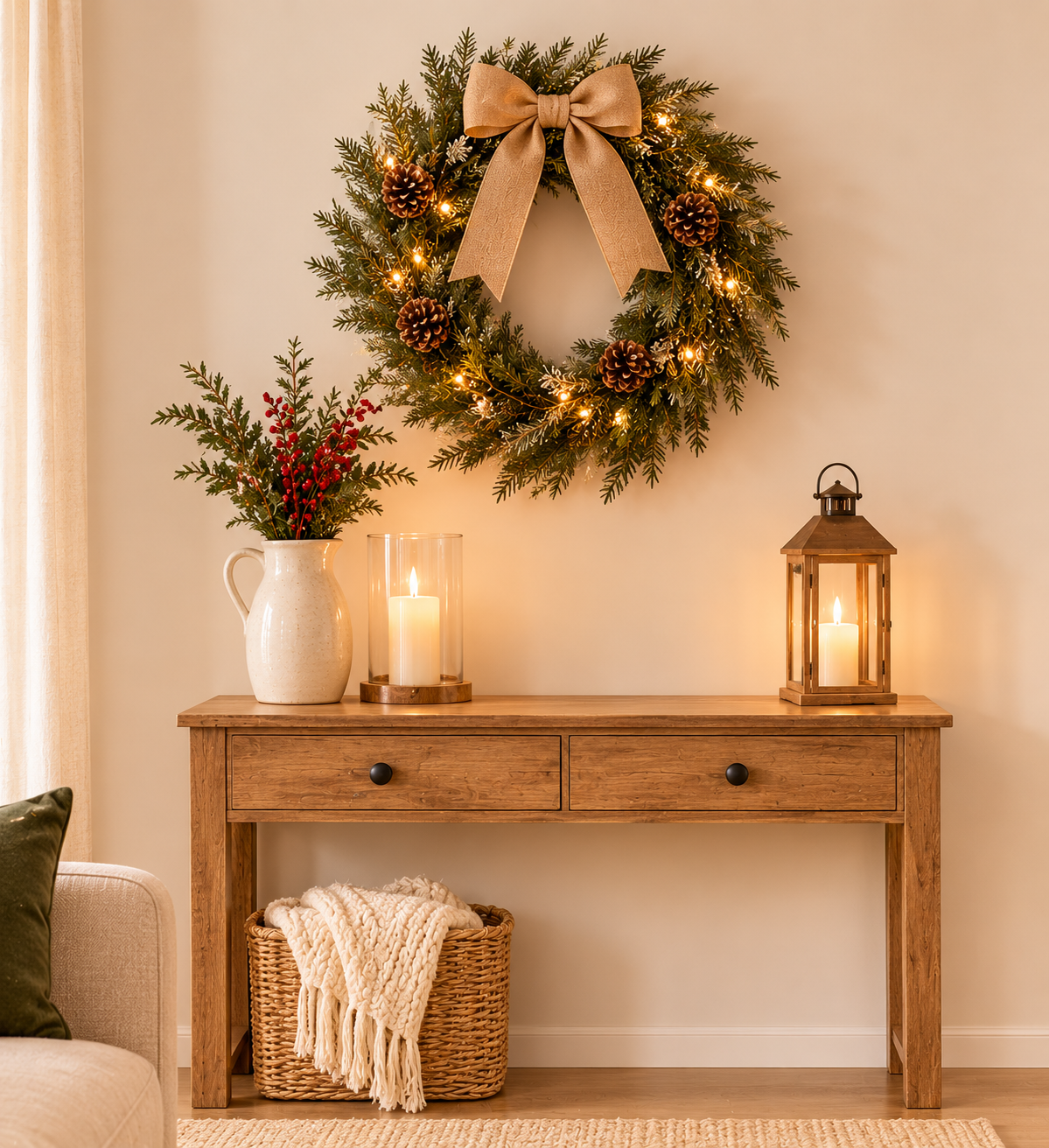
Before buying anything, gather jugs, baskets, wooden boards, throws and candle holders from around the house. A ceramic jug full of evergreen branches looks just as lovely as an expensive centrepiece.
6. Count your sockets before buying outdoor lights
Outdoor lighting often needs an outdoor-rated extension lead or timer. Check what you have first so it does not become a surprise extra cost, and only use lights and leads that are rated for outdoor use.
7. Set a “one new piece a year” rule
Instead of a big new scheme every year, add one special piece, such as a beautiful wreath, a keepsake ornament or a velvet ribbon. Over a few years you build a collection you love.
8. Buy next year’s basics in the January sales
After Christmas, lights, baubles and artificial trees are often heavily reduced. If something broke this year, make a note and replace it in January for less.
anzstyle team tips
- Photograph your décor before packing it away in January. Next year you will know exactly what you own, and the calculator becomes even more accurate.
- Label boxes by room, such as tree, mantel, table and outdoor, to match the calculator categories.
- Plan with the Budget style first, then switch to Mid-range only for the pieces that matter most to you.
Frequently asked questions
How much does it cost to decorate a house for Christmas?
It varies hugely. Decorating one main room from scratch might cost around $100–$250 for a minimal look, $350–$700 for a classic family setup, and $900 or more for a designer-style home. If you already own the basics, you may only spend a fraction of that.
Is an artificial or real Christmas tree cheaper?
A real tree usually costs less in any single year, but you buy it every year. A good artificial tree costs more upfront but can last many seasons, so it is often cheaper over time if you look after it.
How many lights do I need for my tree?
A common rule of thumb is around 100 lights per foot of tree for a full, glowing look, or roughly half that for a softer effect. Check how many bulbs each strand has to work out how many strands you need.
Are the calculator prices accurate for my country?
The prices are typical estimates for mid-range shops, adjusted roughly for each currency. Prices differ between countries, stores and seasons, so simply type in the prices you see locally for the most accurate total.
Final thoughts
Christmas decorating should feel joyful, not stressful. Use the calculator to plan before you shop, invest in the pieces you will keep for years and stay flexible with the small extras. A clear plan and a simple colour palette will give you a home that feels magical, at a cost you are comfortable with.
Need styling inspiration? Read where to put your Christmas tree, how to style a rustic Christmas feature wall and our cosy living room ideas for winter.
Over to you: what did the calculator come out at for your home? Share your total and your biggest expense in the comments.
Leave a Reply